
Lifting Equipments Inspection
Lifting Equipments Inspection
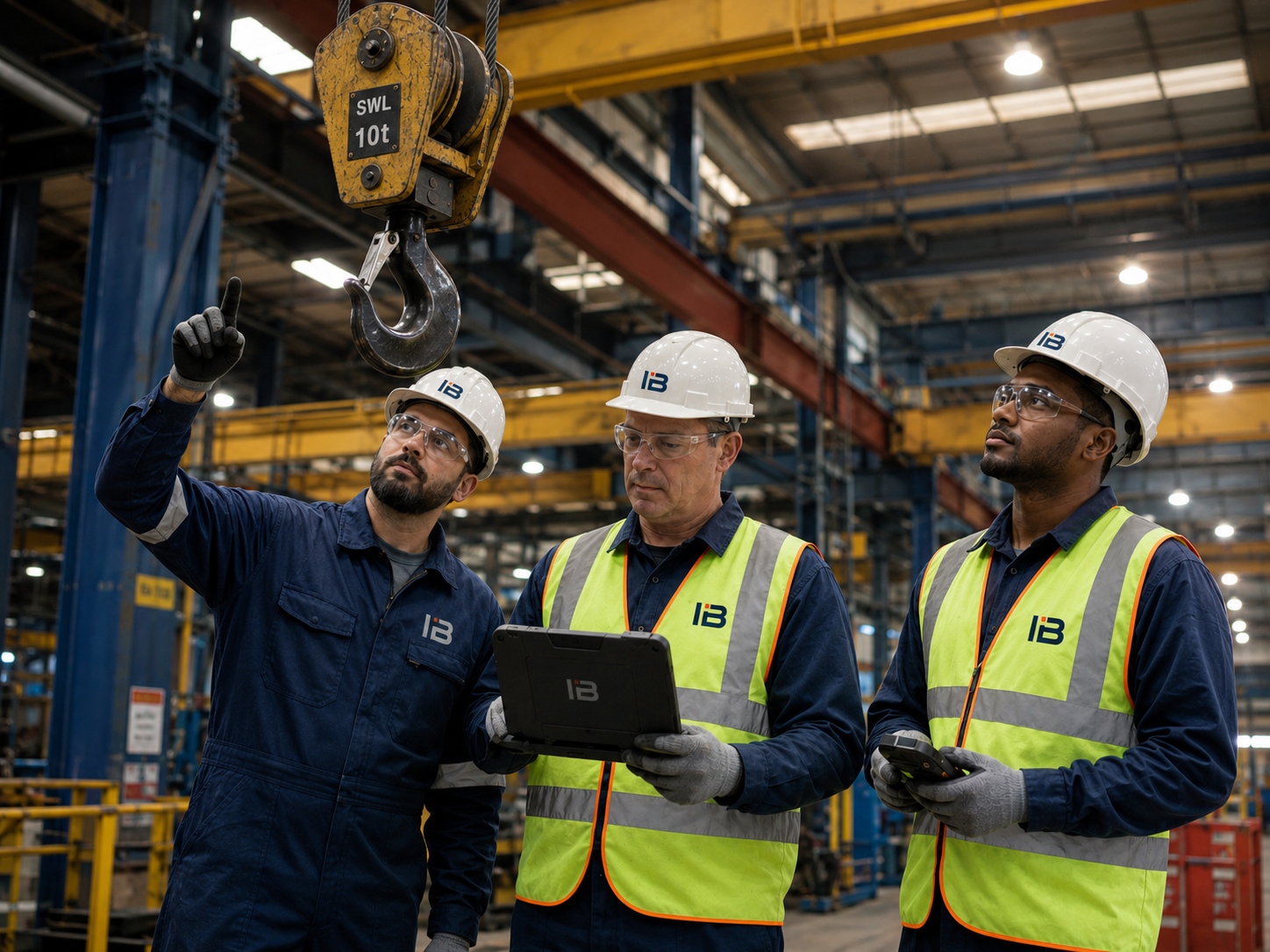
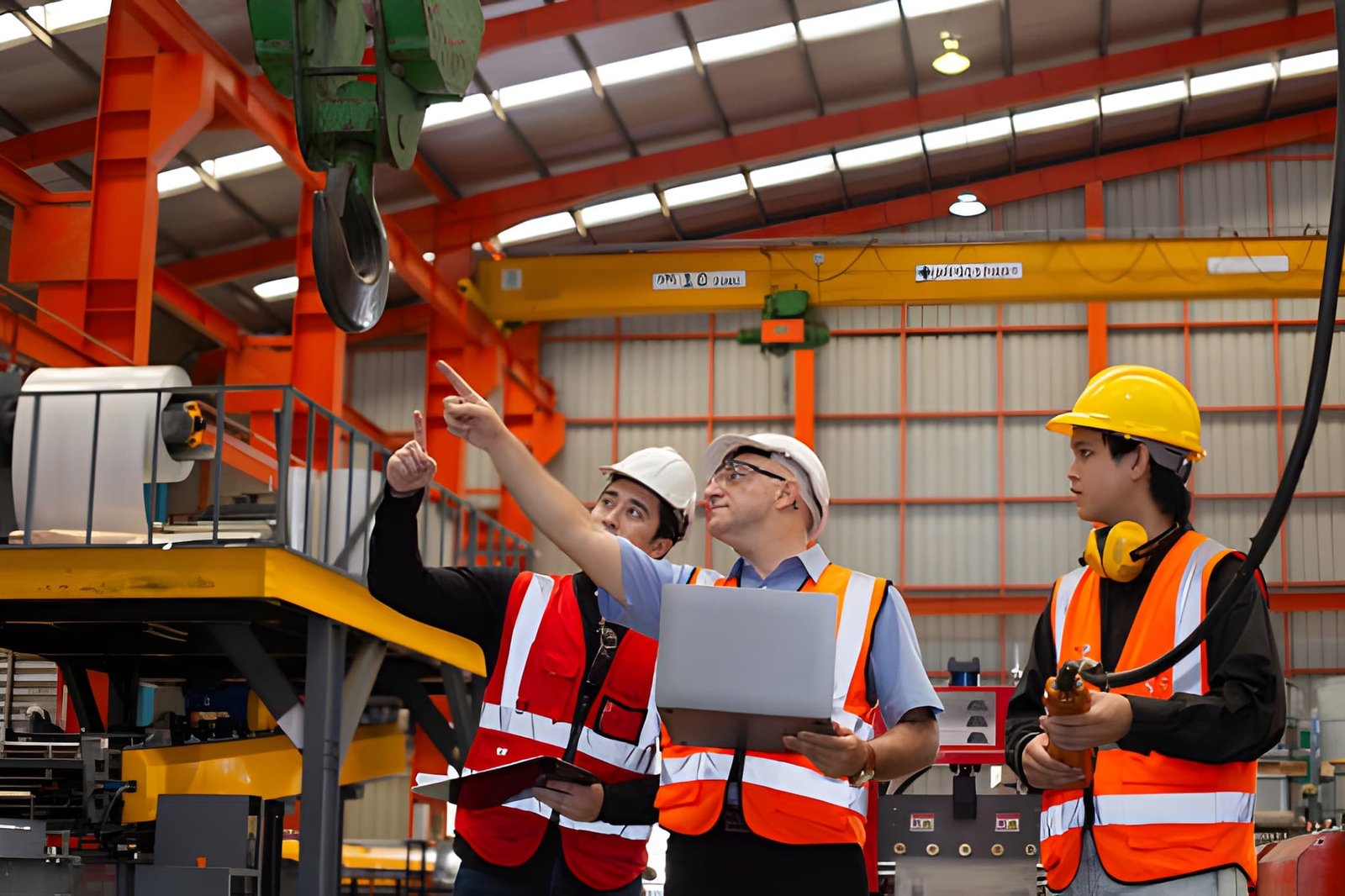
Lifting Equipment inspection covers equipment, appliances and lifting devices used for lifting, lowering, suspending, handling and positioning loads during industrial, construction, marine and general operational activities. IIB provides professional inspection, testing and certification support to verify that lifting equipment is safe for use, properly maintained, suitable for its intended application and compliant with applicable regulatory, manufacturer and industry requirements.
Our inspection activities include visual examination, functional checks, dimensional checks, load test witnessing where required, verification of identification and traceability, review of previous certificates, assessment of wear, deformation, cracks, corrosion, structural damage, missing components and overall operational condition. The inspection helps clients identify unsafe equipment, prevent lifting failures, maintain compliance and ensure safe lifting operations at site.
Lifting Appliances
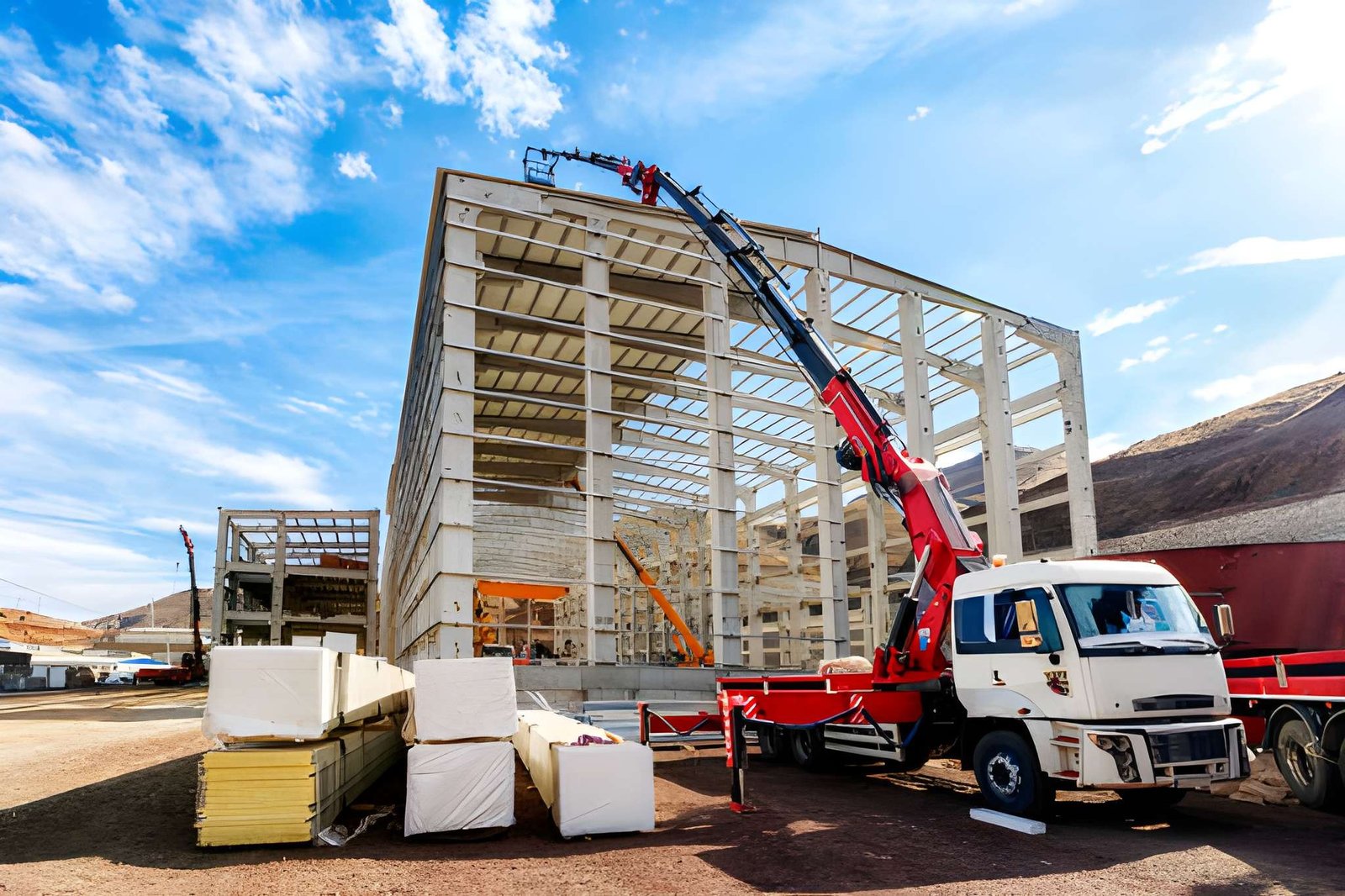
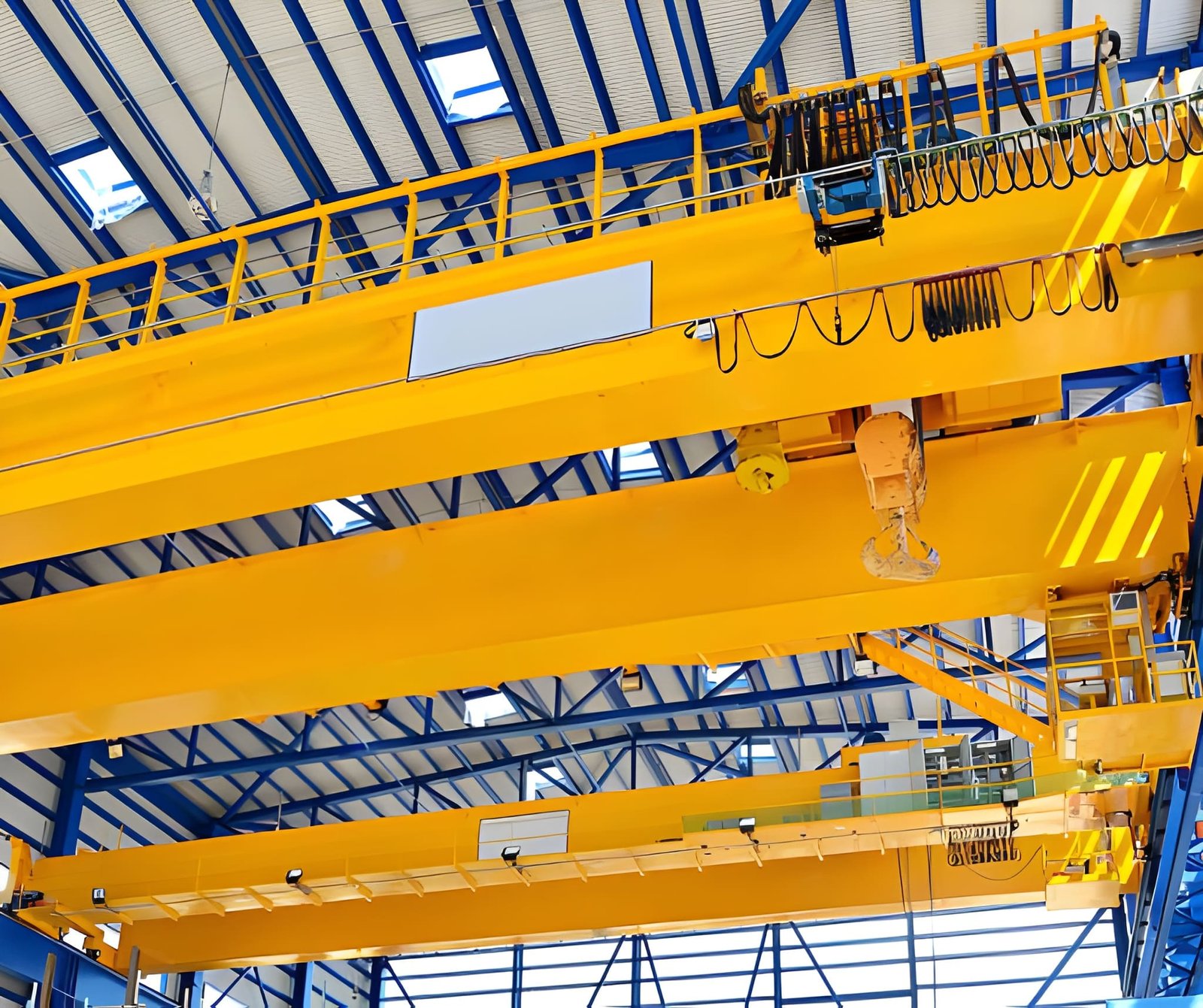
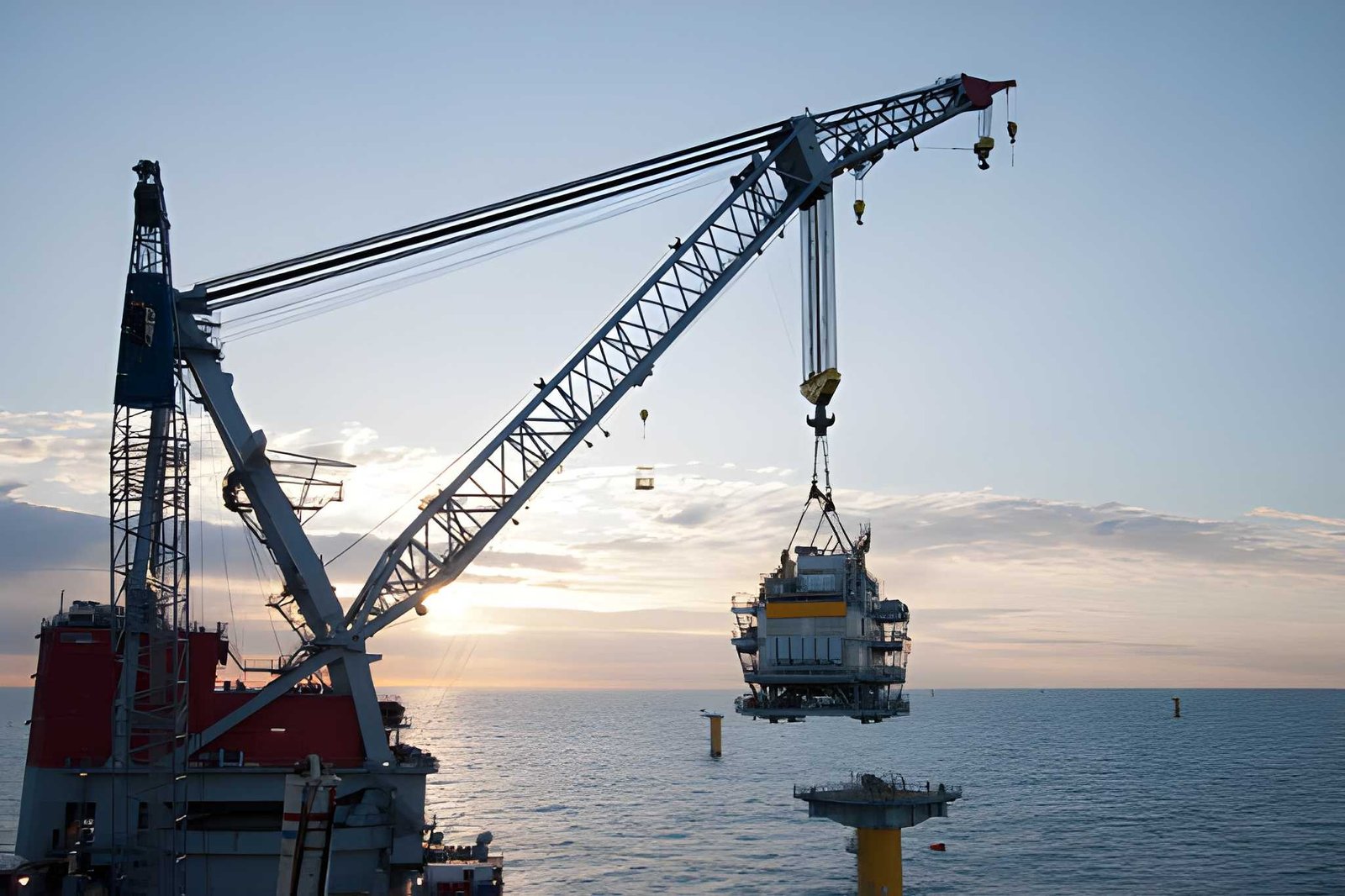
Lifting appliances are machines, devices and mechanical systems used to lift, lower, move, suspend, position or transfer loads and personnel during work activities. These may be manually operated, electrically powered, hydraulically operated, pneumatically operated or mechanically driven, depending on the type of equipment and the lifting application. Lifting appliances are commonly used in construction sites, oil and gas facilities, marine and offshore operations, warehouses, workshops, manufacturing plants, logistics yards and industrial maintenance activities.
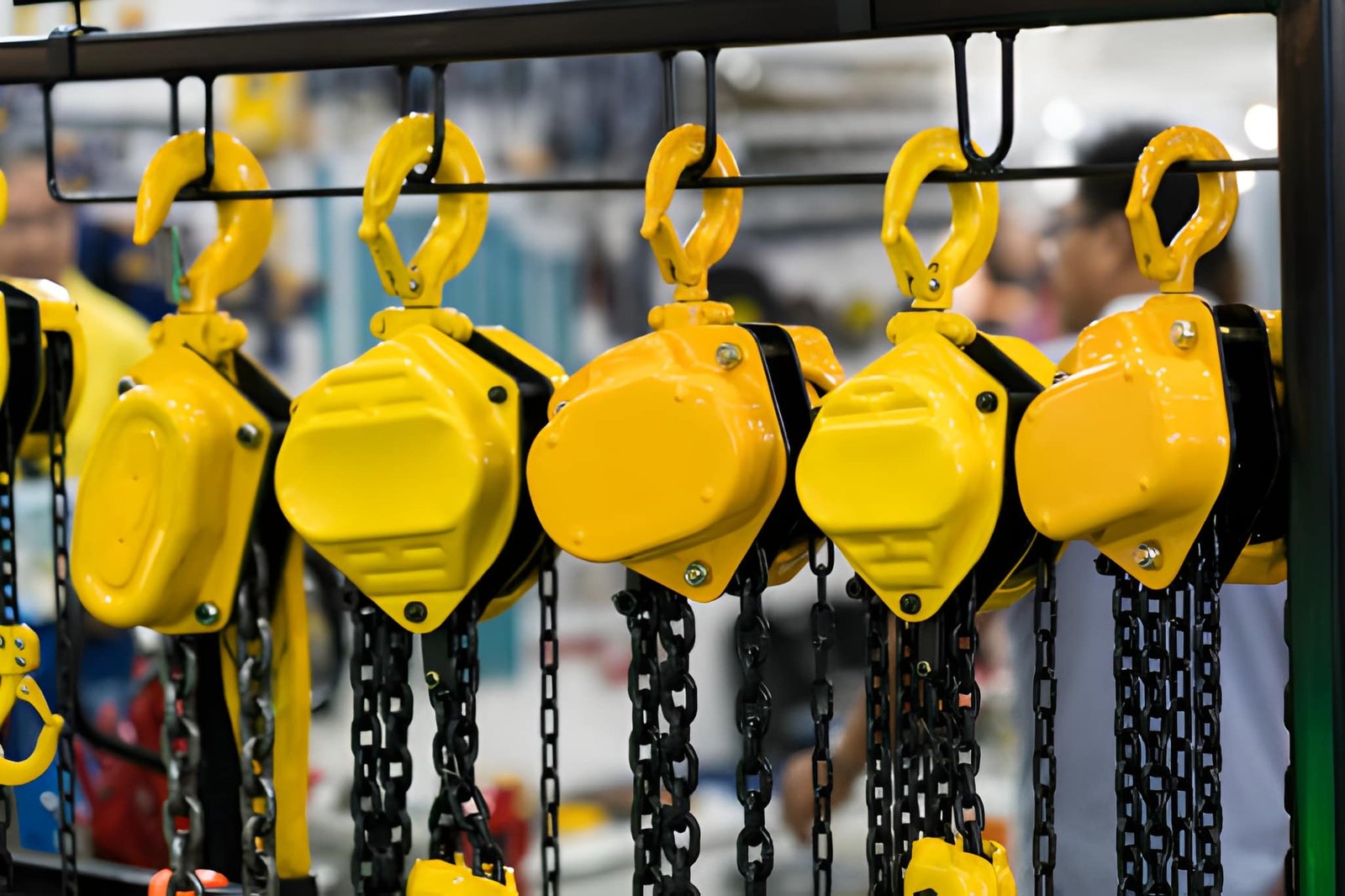
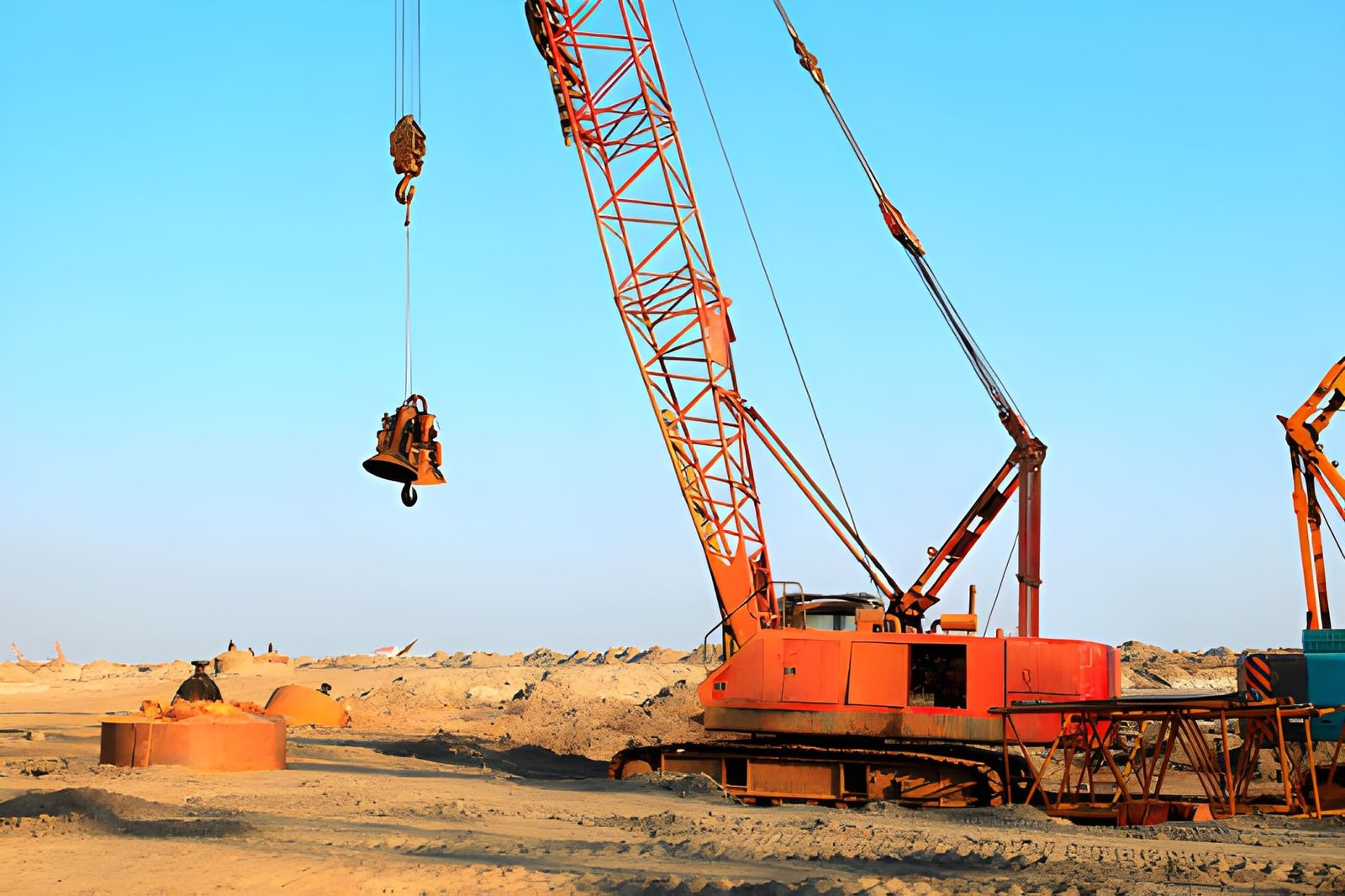
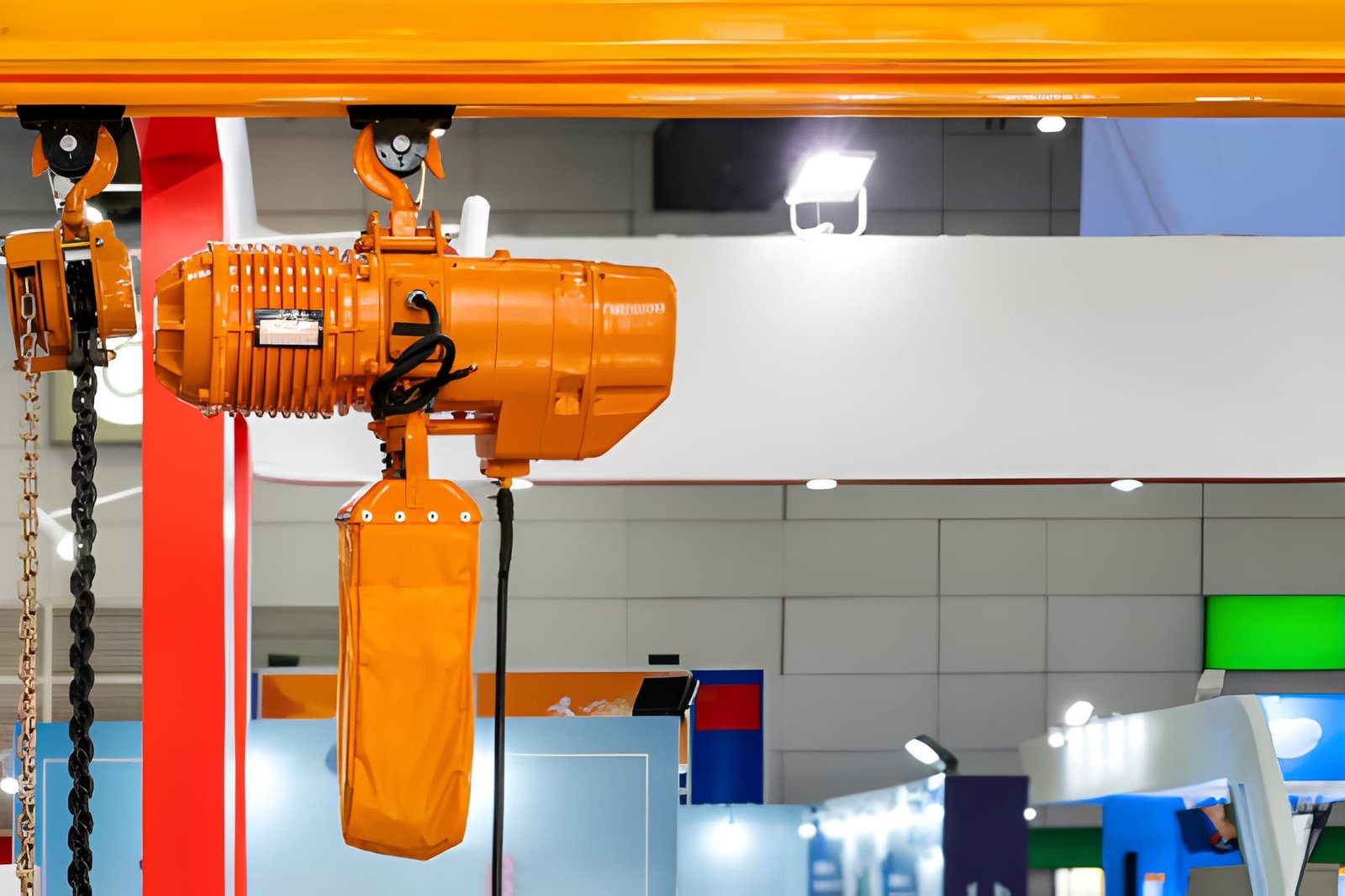
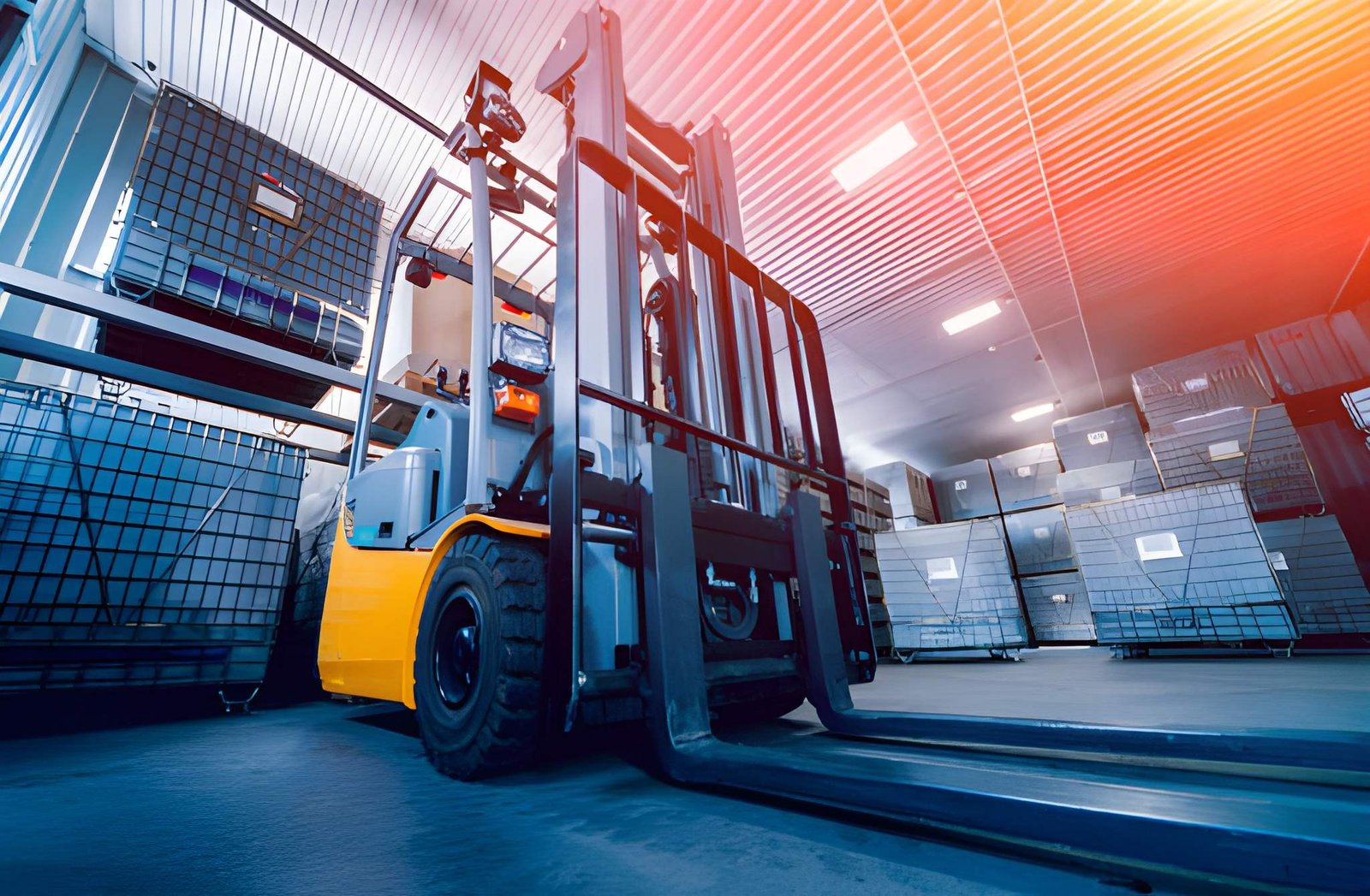
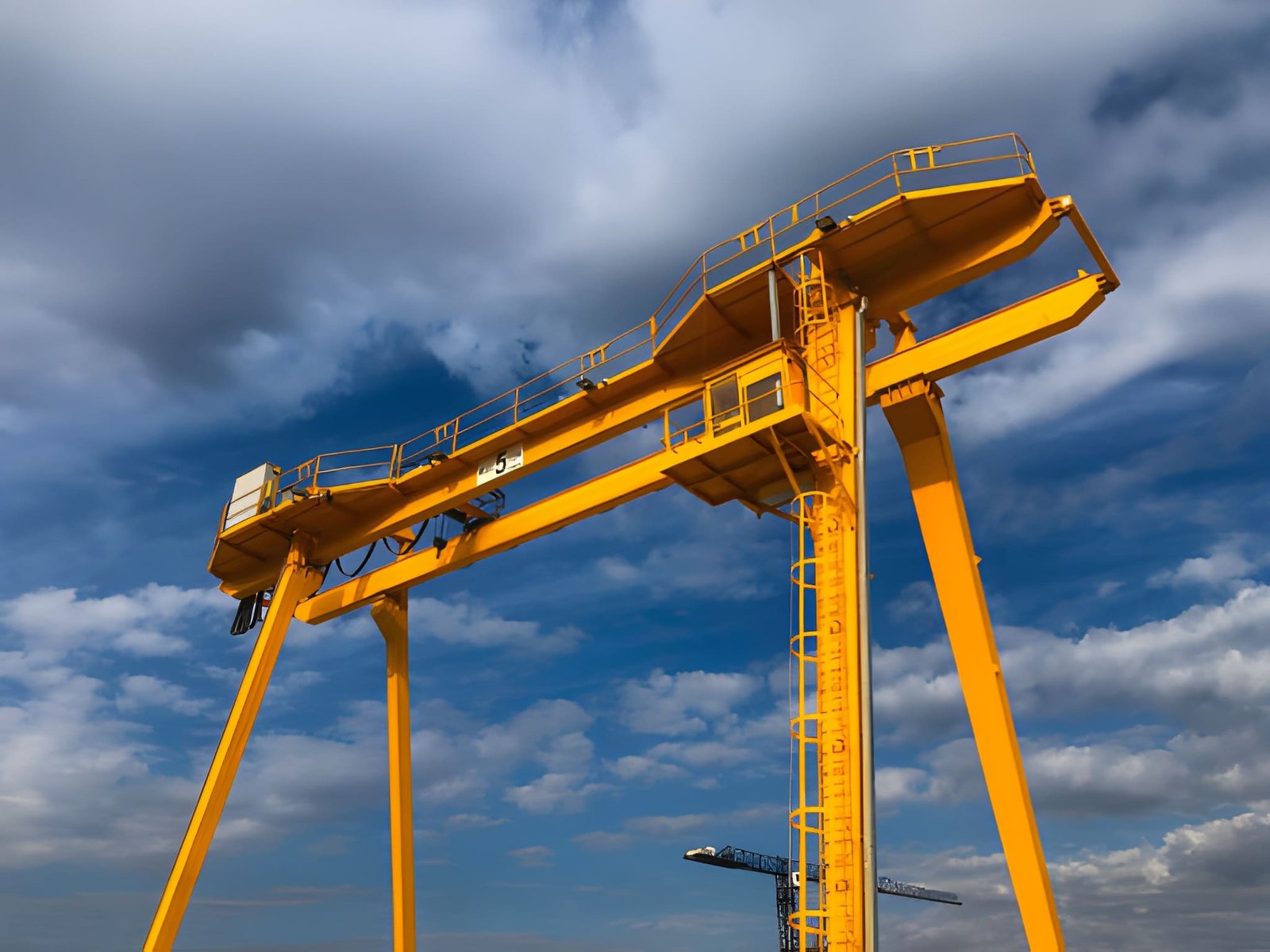
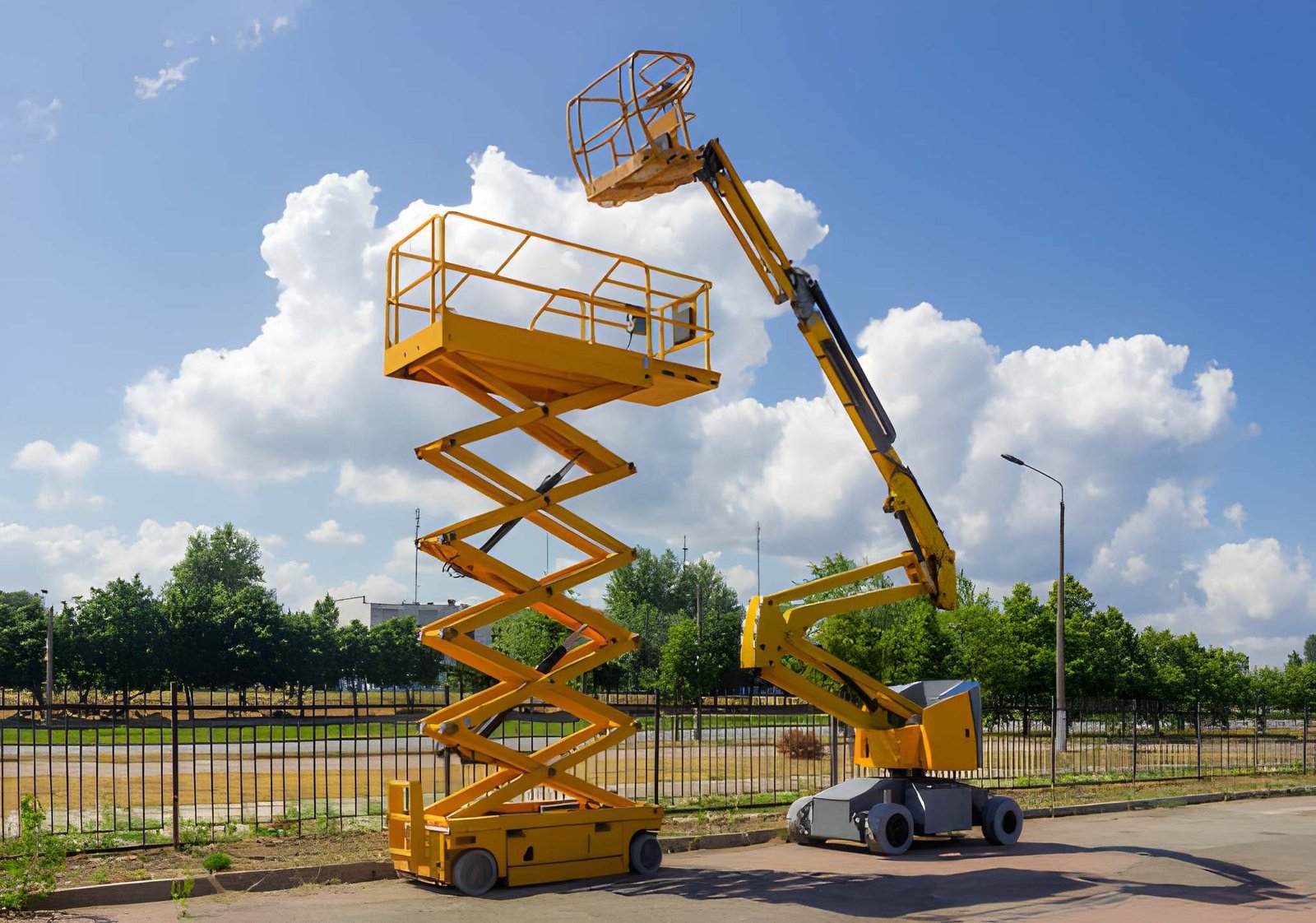
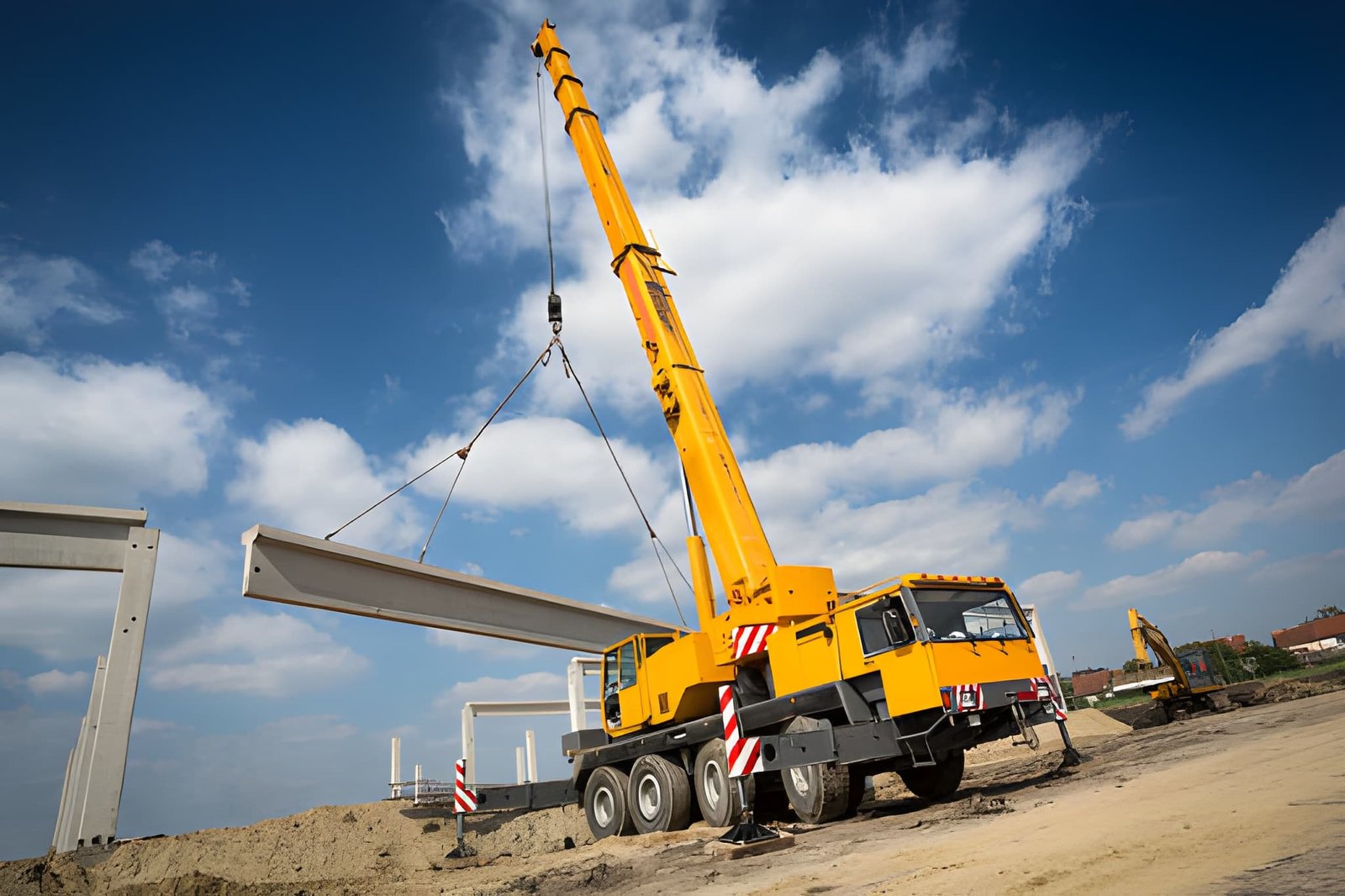
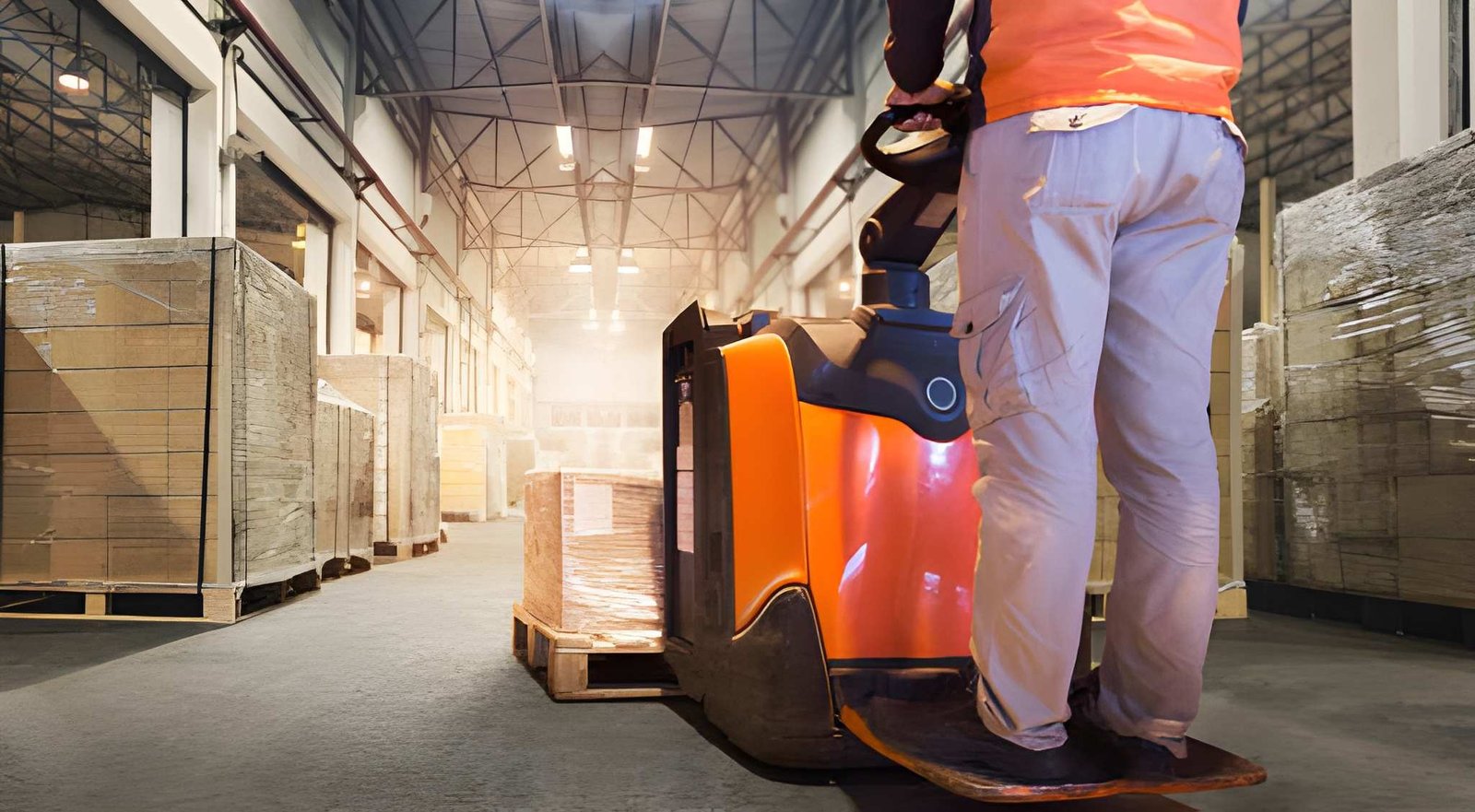
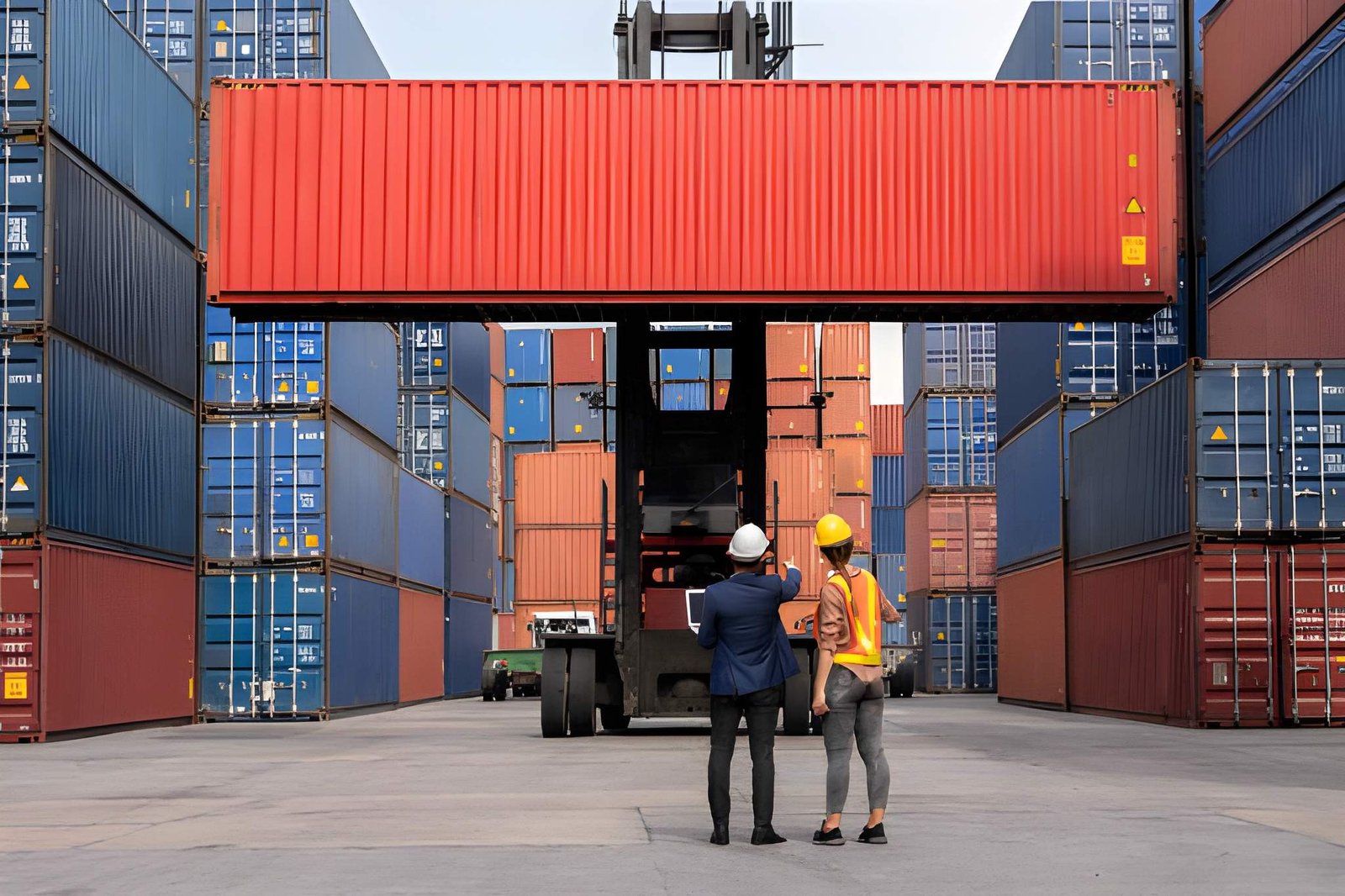
This category includes equipment such as cranes, hoists, winches, davits, forklifts, pallet stackers, suspended cradles, mobile elevated work platforms, runway beams, monorails, beam trolleys, vehicle lifts, hydraulic jacks, lifting frames and similar equipment used to perform lifting or load handling operations.
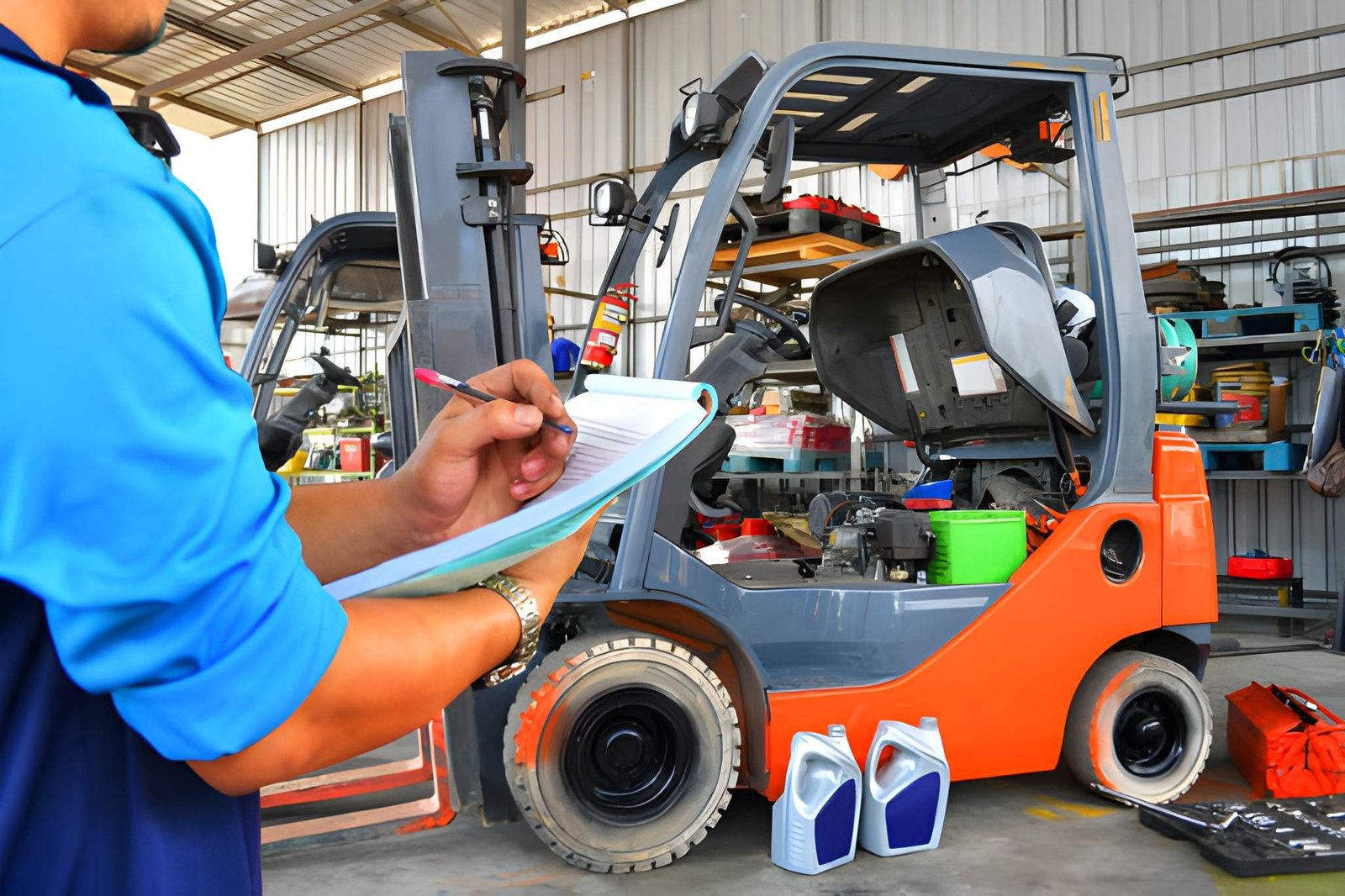
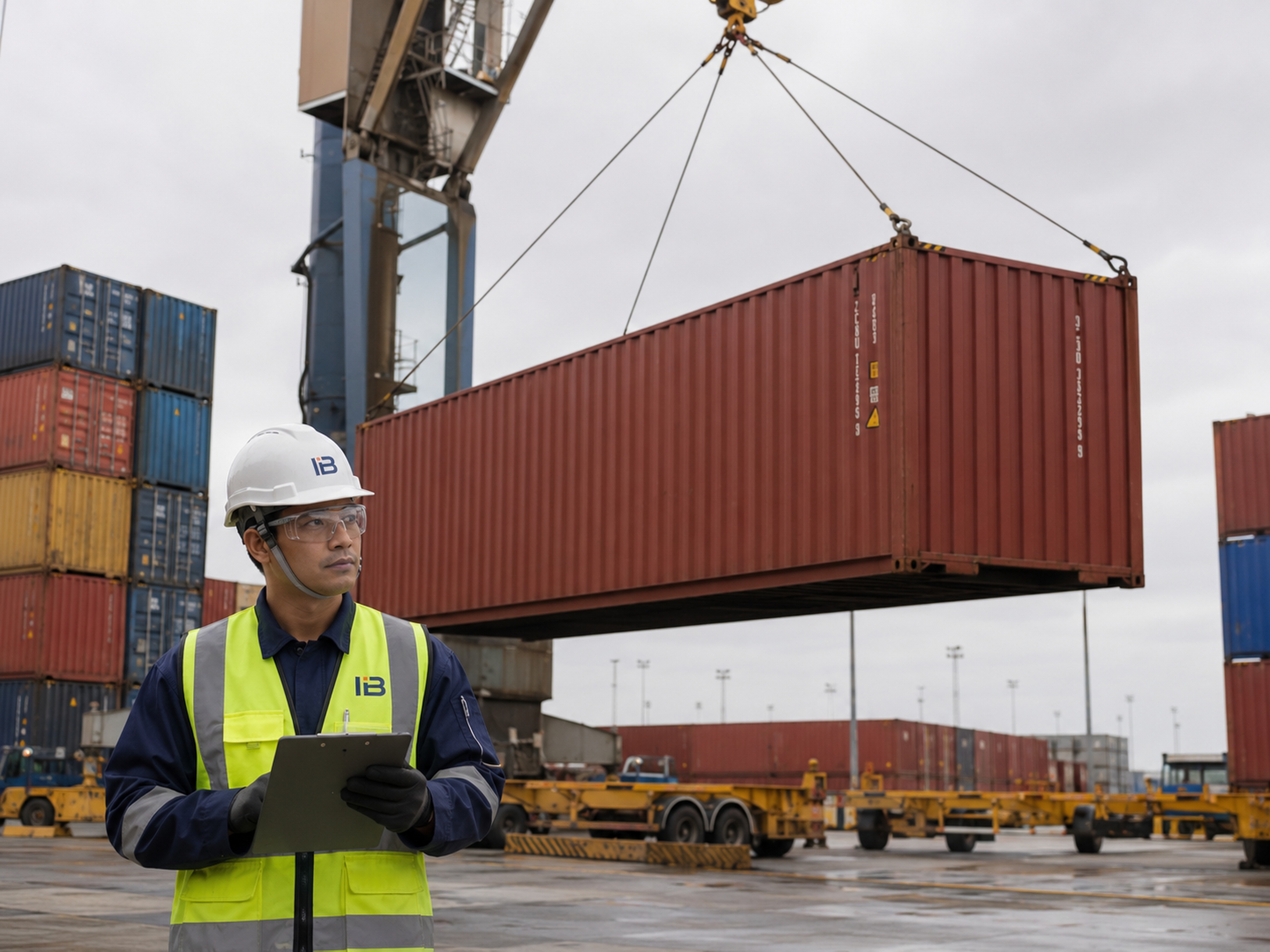
Inspection of lifting appliances is carried out to verify that the equipment is structurally sound, mechanically safe, correctly functioning and suitable for its intended lifting operation. The inspection includes checking the main structure, load-bearing parts, operating mechanisms, hooks, ropes, chains, brakes, controls, hydraulics, electrical systems, safety devices, emergency stops, limit switches, load indicators, stability arrangements, identification markings and safe working load information. Where applicable, functional testing and load test witnessing may also be carried out to confirm the safe performance of the equipment.
Regular inspection of lifting appliances helps identify defects such as wear, cracks, deformation, corrosion, leakage, malfunctioning safety devices, damaged components, missing markings and unsafe operating conditions. IIB provides inspection and certification support by competent personnel to help clients maintain safe lifting operations, meet compliance requirements and ensure proper records for continued safe use.
Scope of Services
- Cranes
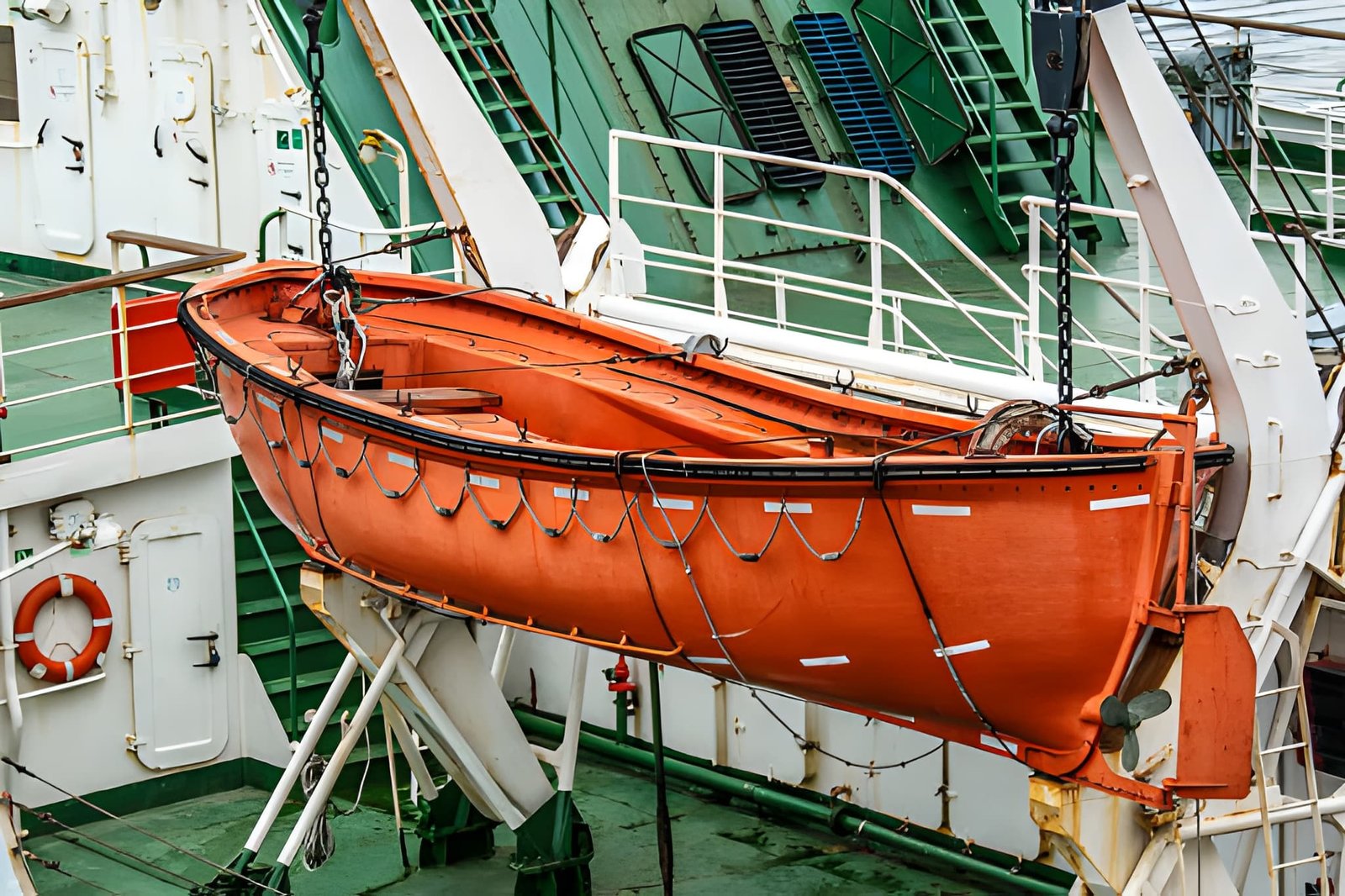
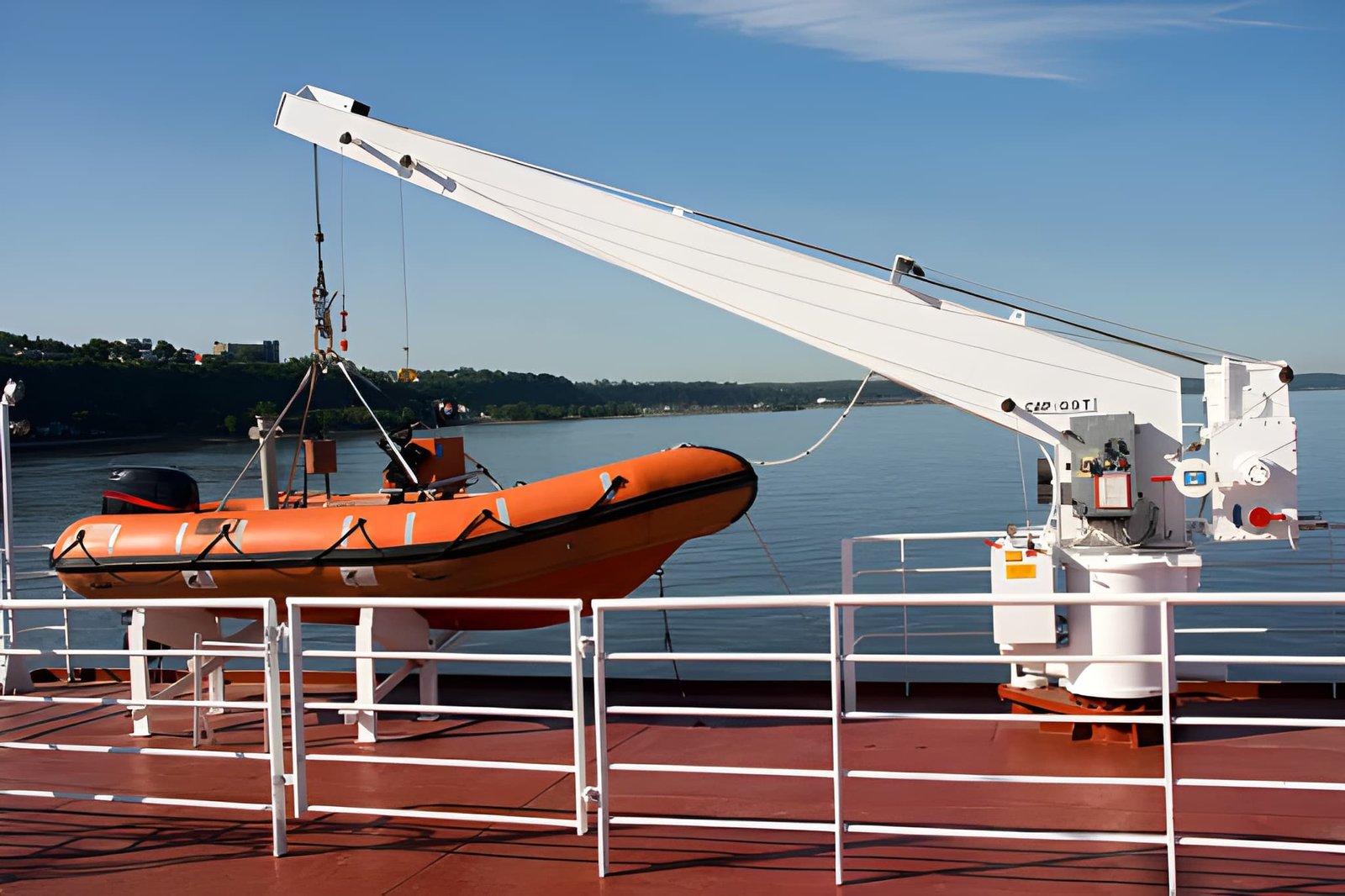
- Lifeboat / Life Raft / Fast Rescue Boat Davits
- General Purpose Davits
- Forklift Trucks
- Pallet Stackers
- Pallet Trucks
- Personnel and Goods Lifts
- Suspended Cradles
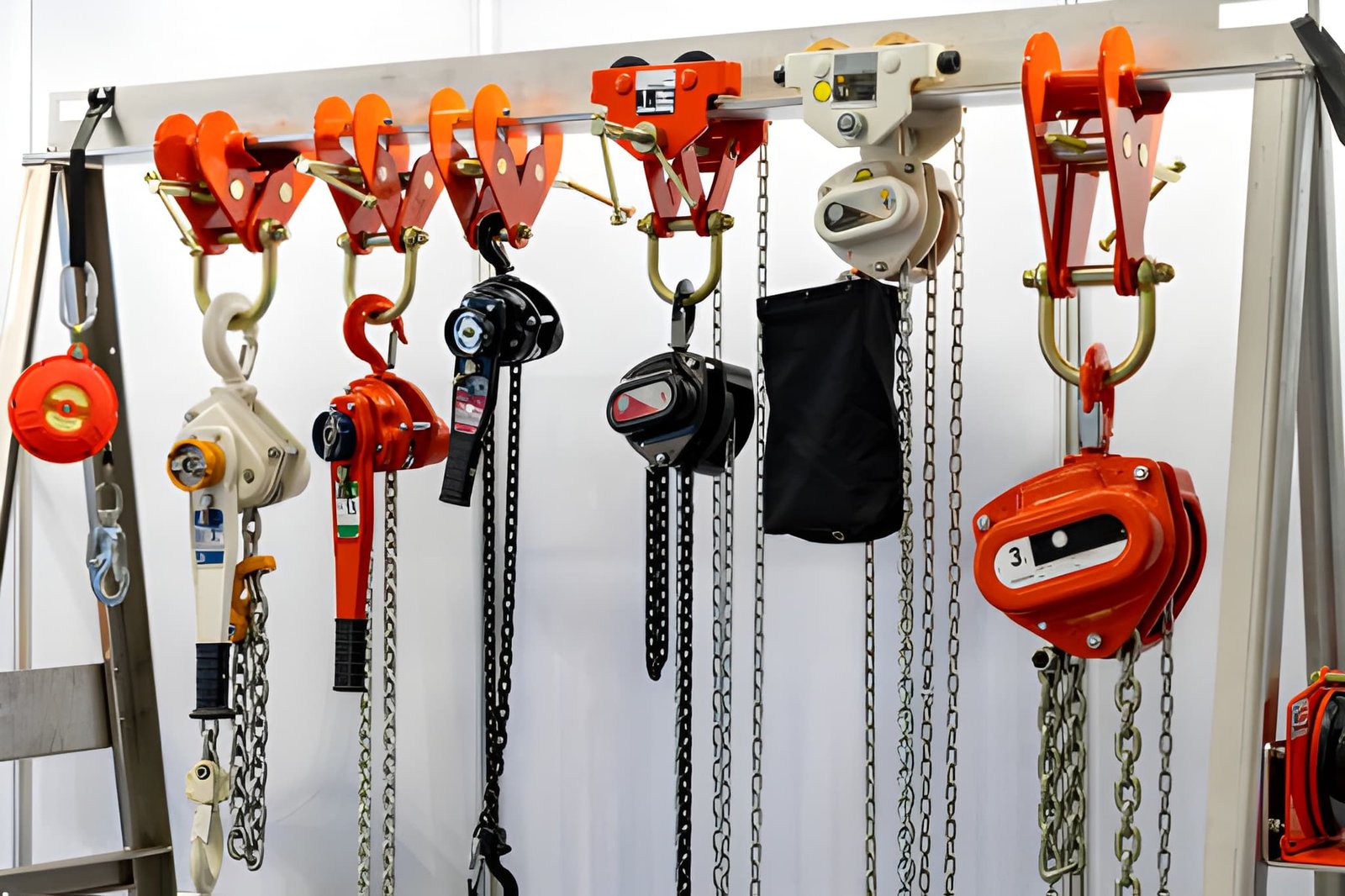
- Powered Hoists
- Manual Hoists
- Jaw Winches / Tirfors
- Beam Trolleys
- Runway Beams / Monorails
- Sheave / Pulley / Snatch Blocks
- Fixed Structural Pad Eyes
- Crane Hook Blocks
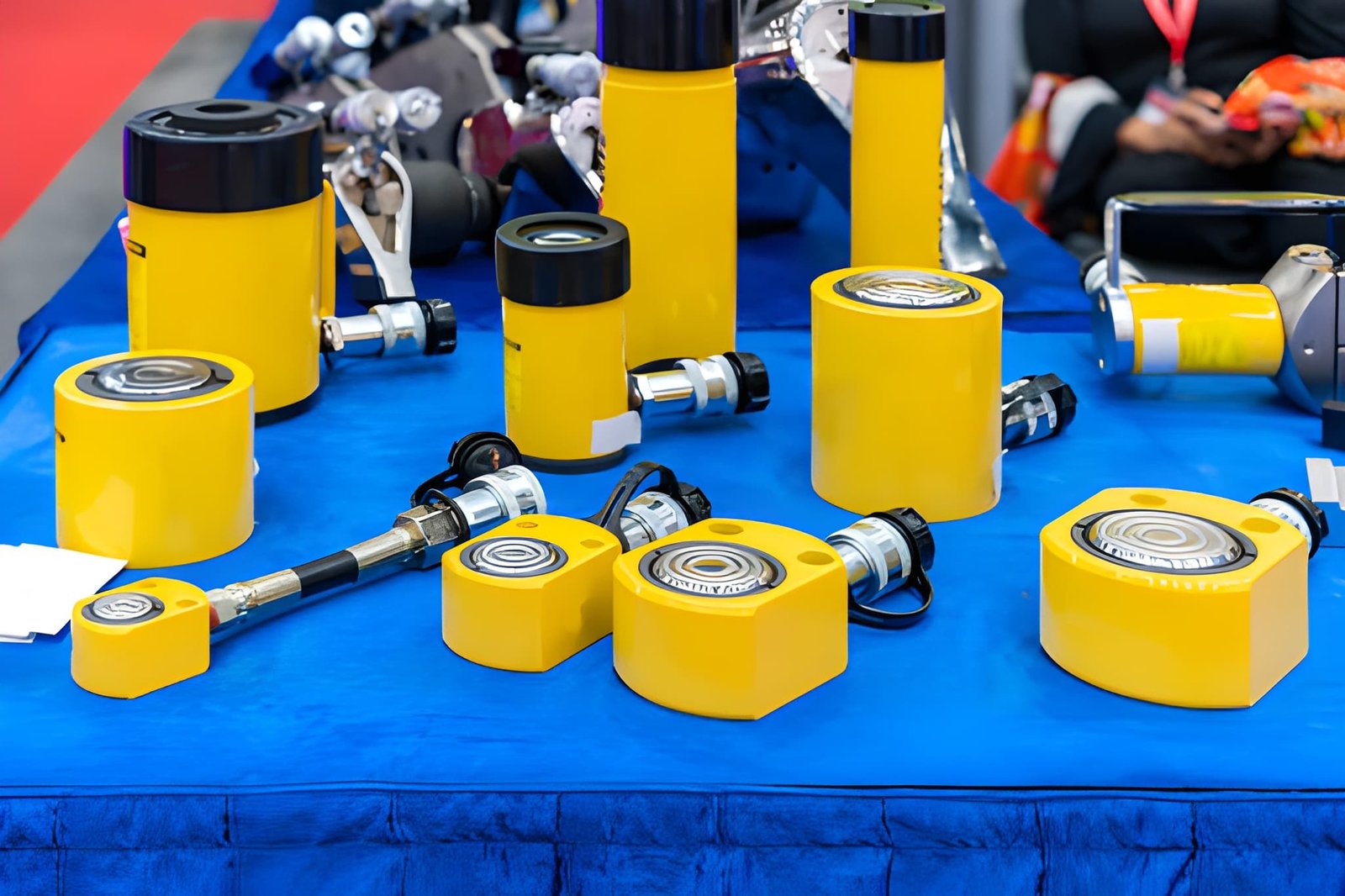
- Hydraulic Rams and Jacks
- Winches
- Mobile Elevated Work Platforms
- Launching and Recovery Systems
- A-Frame Gantry
- Personnel Rescue Equipment
- Vehicle Lifts
- Gin Wheels
Lifted Equipments
Lifted equipment refers to items, units, structures and load-carrying equipment that are designed or intended to be lifted, handled, transported, suspended or transferred using lifting equipment. Unlike lifting appliances, lifted equipment normally does not perform the lifting operation by itself. Instead, it is the item being lifted or handled during the operation. These equipment are commonly used in offshore, marine, construction, logistics, oil and gas, manufacturing, maintenance and industrial work environments.
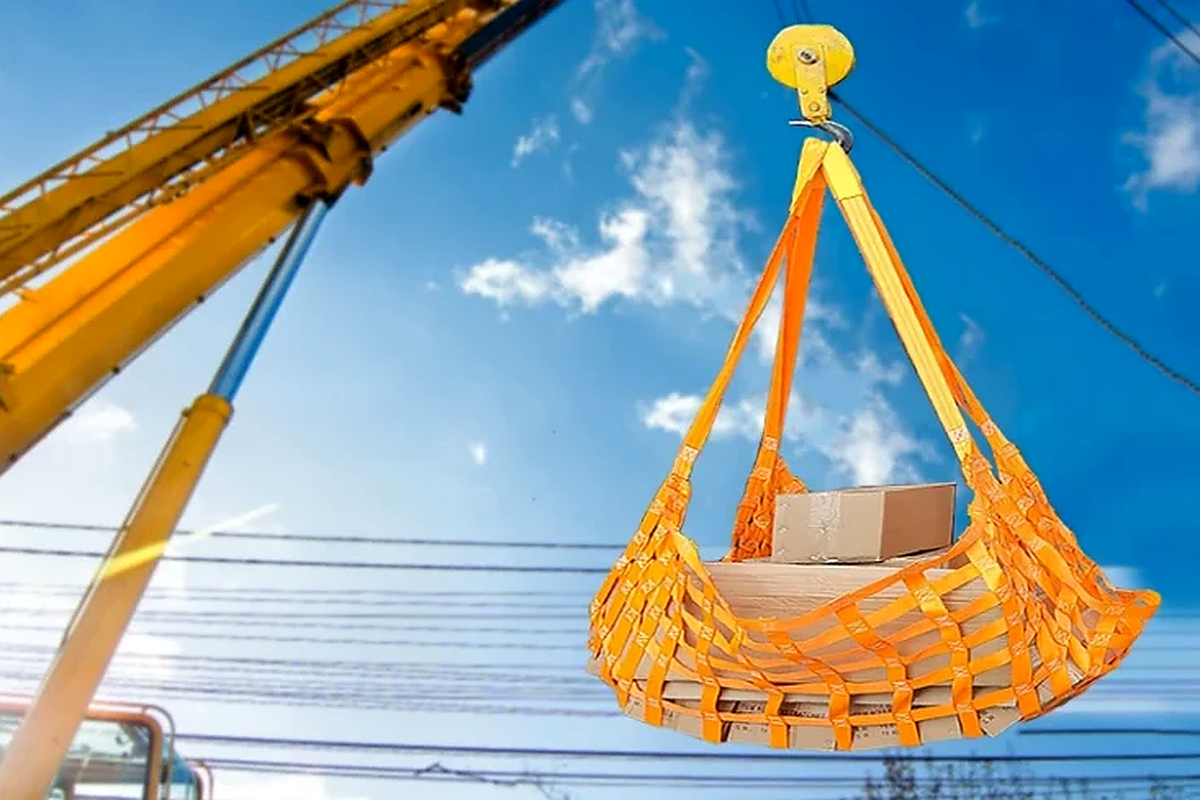
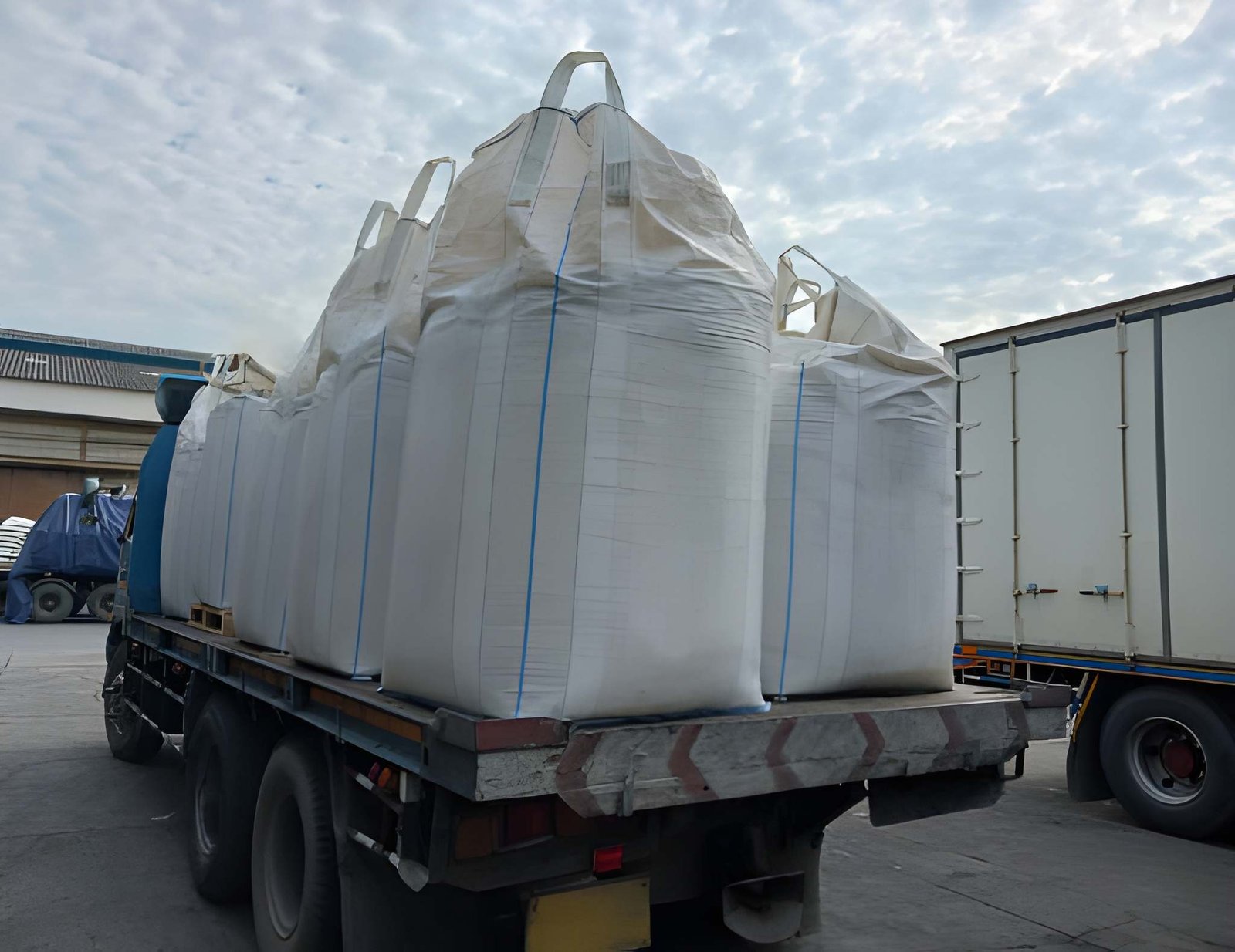
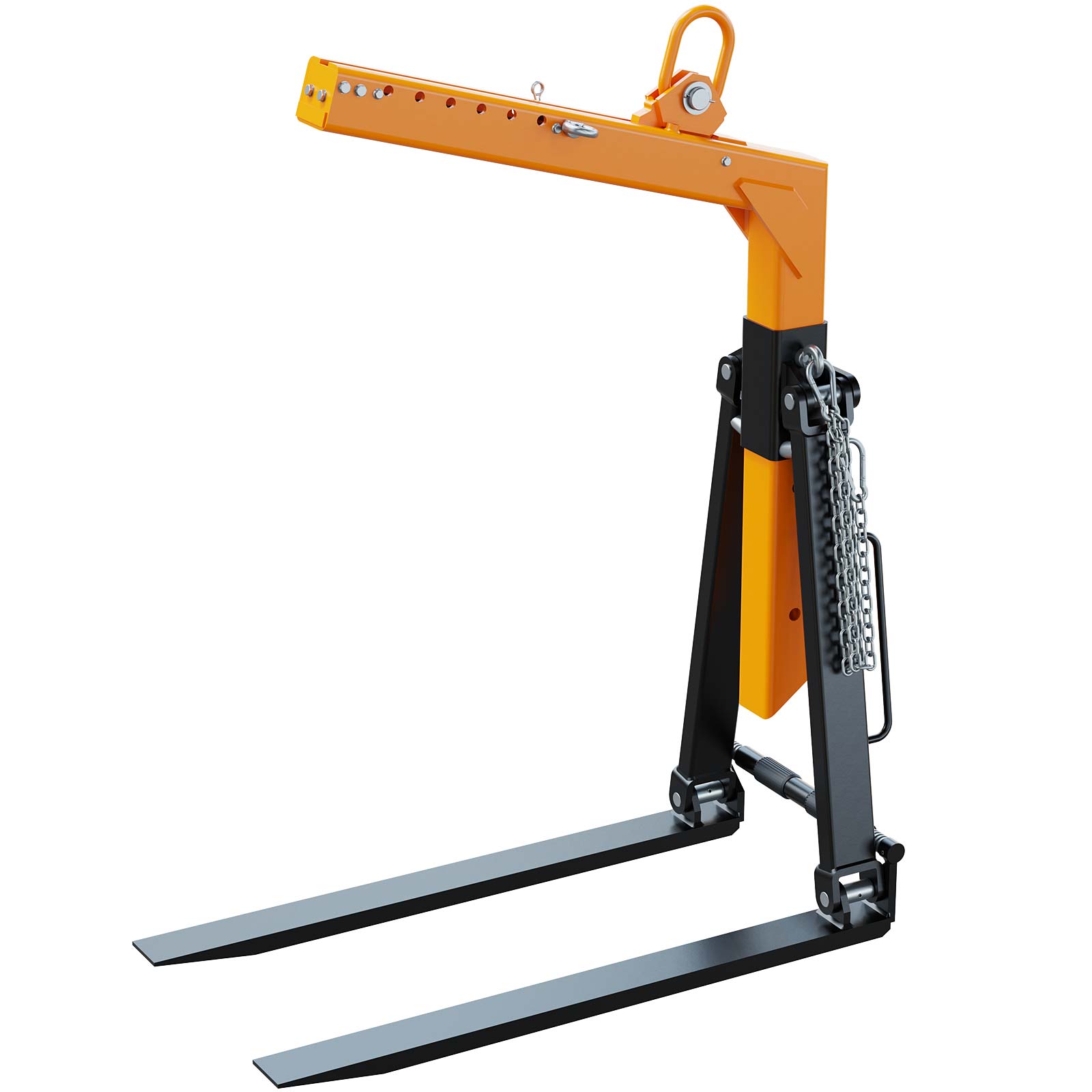
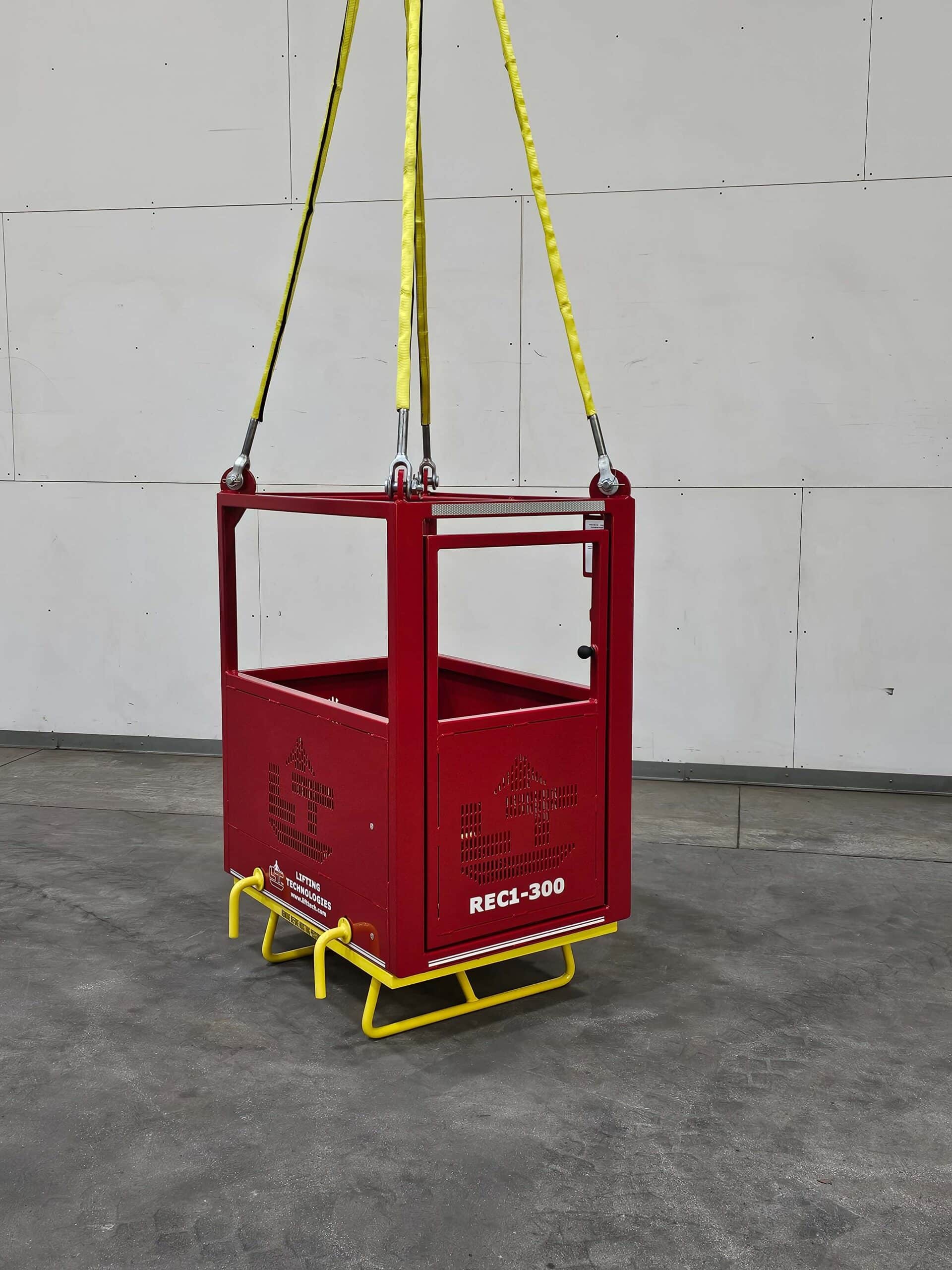
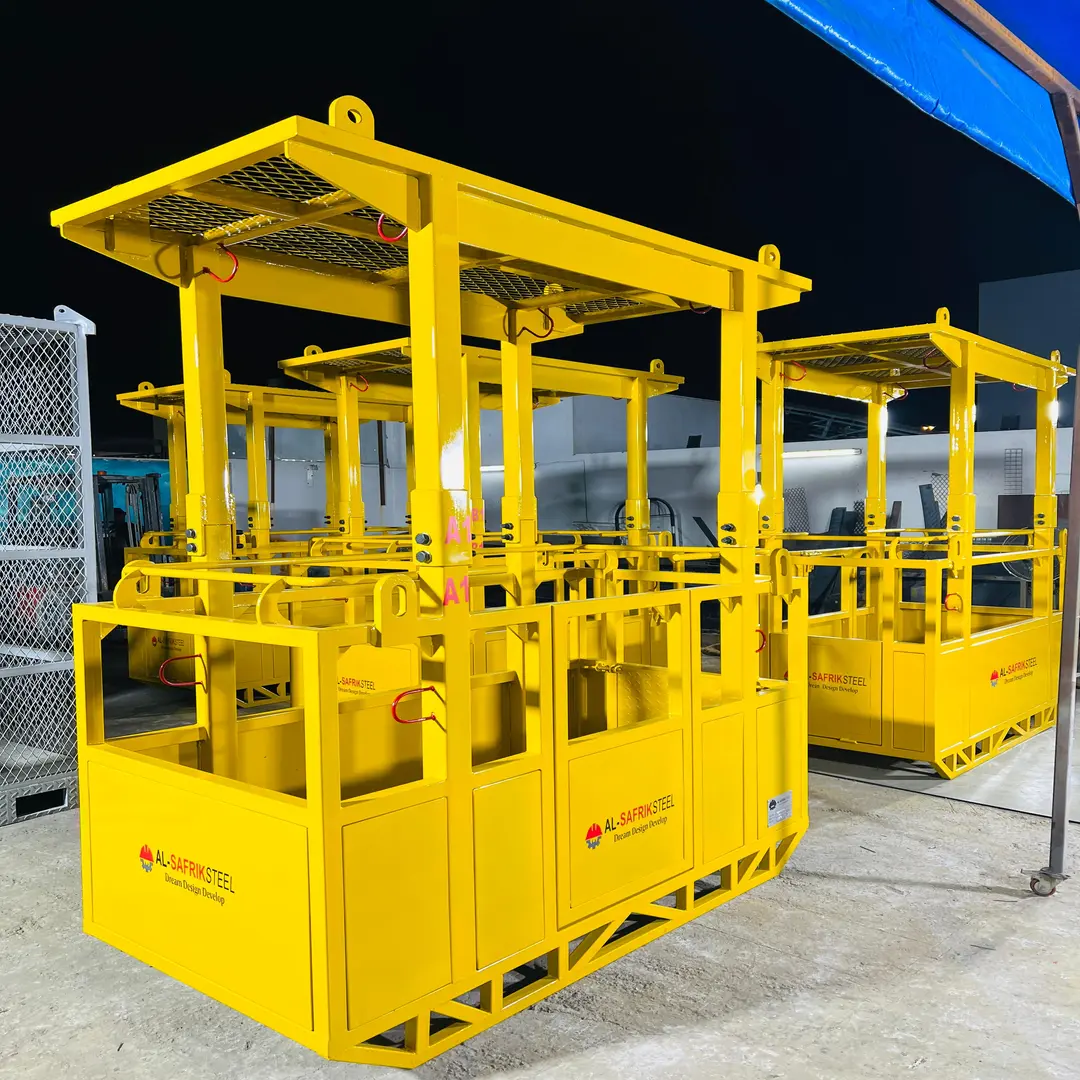
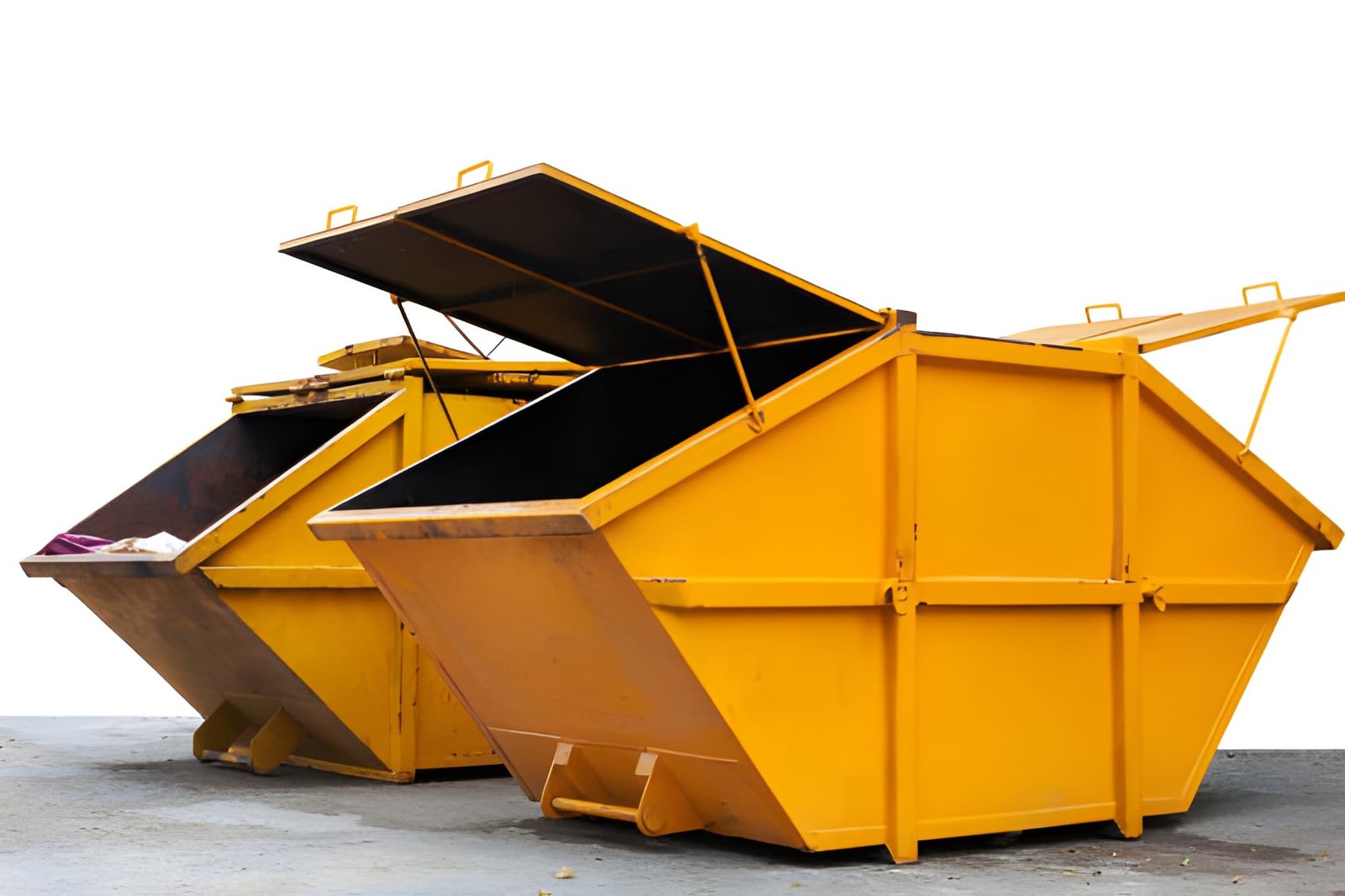
This category includes equipment such as offshore containers, cargo baskets, waste skips, racks, boxes, skids, skid-mounted equipment, personnel work baskets, personnel transfer baskets, cargo nets, pallets, test weights, mooring blocks, gangways, ground trolleys, jumbo bags, pallet forks and similar items designed for lifting, handling or movement.
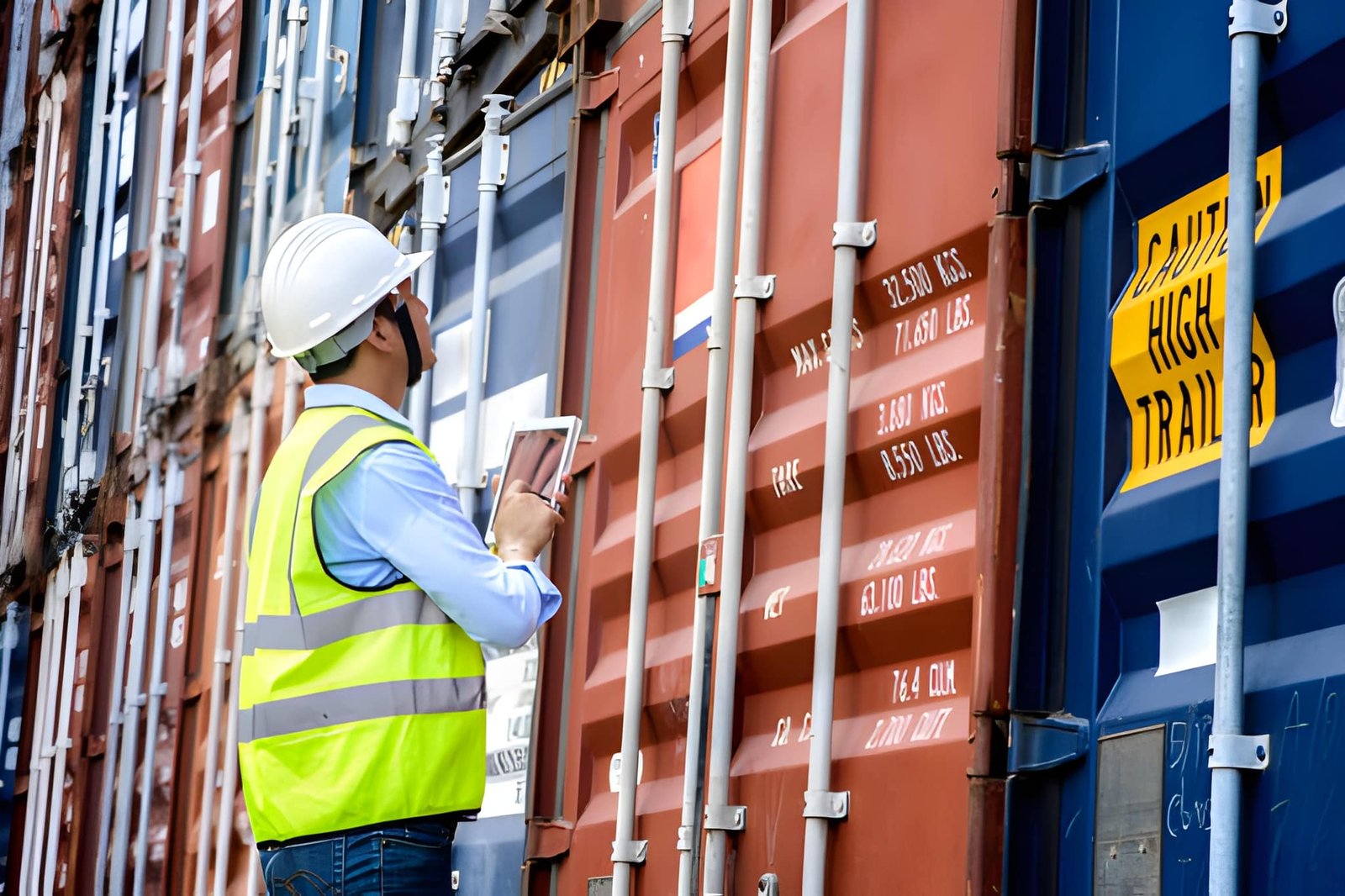
Inspection of lifted equipment is carried out to verify that the item is structurally suitable, properly identified, correctly marked and safe to be lifted or handled. The inspection focuses on the condition of the main frame, body, lifting points, pad eyes, welds, load-bearing members, base structure, doors, gates, locking arrangements, attachment points, markings, data plates, stated capacity, identification number and overall physical condition. Special attention is given to signs of cracks, corrosion, deformation, impact damage, broken members, worn lifting points, poor welding, missing markings and any condition that may affect safe lifting.
Regular inspection of lifted equipment helps reduce the risk of dropped loads, structural failure, unsafe lifting arrangements and damage during handling or transport. IIB provides inspection and certification support to help clients confirm the suitability of lifted equipment, maintain safe lifting practices, meet operational and compliance requirements and keep accurate inspection records.
Scope of Services
- Cargo Carrying Units
- Skid Mounted Equipment
- Personnel Work Basket
- Personnel Transfer Basket
- Cargo Nets
- Pallets
- Dead Weights / Test Weights
- Mooring Blocks
- Gangways
- Skates and Ground Trolleys
- Flexible Intermediate Bulk Containers
- Pallet Forks
Lifting Equipments Inspection Highlights




Ensure Lifting Equipments Inspection Operations Today
Don't compromise on safety. Get certified inspection support from the UAE's leading experts.